

I recently read a very interesting article in the New York Times, “Can Smart Thermometers Track the Spread of the Coronavirus?“. This article and the data displayed within is a neat example of how Internet of Things (IOT) devices are rapidly becoming an essential part of our lives.
To summarise the article, a noted main symptom of the ongoing COVID-19 virus is a high temperature or fever. As medical staff have rapidly become overwhelmed with the number of cases arising, diagnosis and thus the spread of the virus has become near impossible to track and reports are lagging behind reality. However, a company called Kinsa Health has developed a smart thermometer which transmits temperature readings to servers, where the data is logged against time and location. This allows daily maps of recorded body temperature to be produced, as shown below.
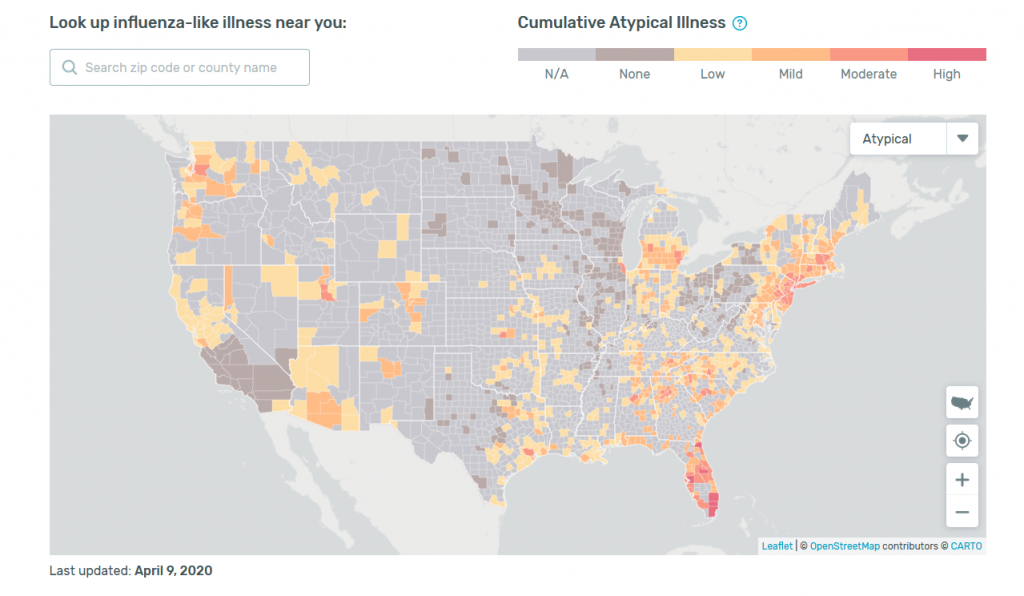
As an engineer, I am always wary of falling victim to the traps of correlation/causation and confirmation bias. Both in this case and generally, we must be careful how we draw conclusions from this data and seek further information – which is why tracking apps are in development. My point though is, isn’t it great that we have access to this data in the first place?
At the very least Kinsa’s data map provides us indicative data that could be used as part of response planning. Along with hospital admission numbers, we have an idea of where resources might need to the concentrated. Ultimately information of this type will result in more lives saved and with less resource wasted. We can see where the virus is now and make predictions of where it is likely to spread next, critically, in near real-time.
A big part of this information becoming available is IOT. The ability of small simple devices to transmit data means data can the collected together and analysed. While one person’s fever might be an isolated incident, put a few hundred readings together in the same town and you have a real issue. However, if the authorities don’t know until people turn up in hospital it’s too late. Real time transmission of data both removes time lag and frees the resources of manual reporting.
This post has focused on the current situation, a single example of the millions of applications that will benefit from IOT, which is of great interest to me. At DataBadger we design and manufacture a growing range of IOT sensor interfaces and data loggers, aimed at tackling these kinds of problems. While lock-down is bad for business, we should see it as an opportunity to ask ourselves what situations we would like to understand and control better in our businesses and lives. I’m willing to bet many of these situations can benefit in some way from IOT. As the saying goes, you can’t control it if you can’t measure it.